St. Patrick’s Day Is For Potatoes

Planning Potatoes for the Long Haul
There’s a bit of old gardening wisdom that floats around every spring, and like most good advice, it’s stuck around because it works: Plant your potatoes on St. Patrick’s Day.
With March 17 just around the corner, it’s the perfect time to talk potatoes before the day slips by and we find ourselves saying, “Next weekend will be fine.” Sometimes the old rules exist for a reason.
We followed that advice one year and planted on March 17 exactly, and I can say without hesitation, it was perfect.
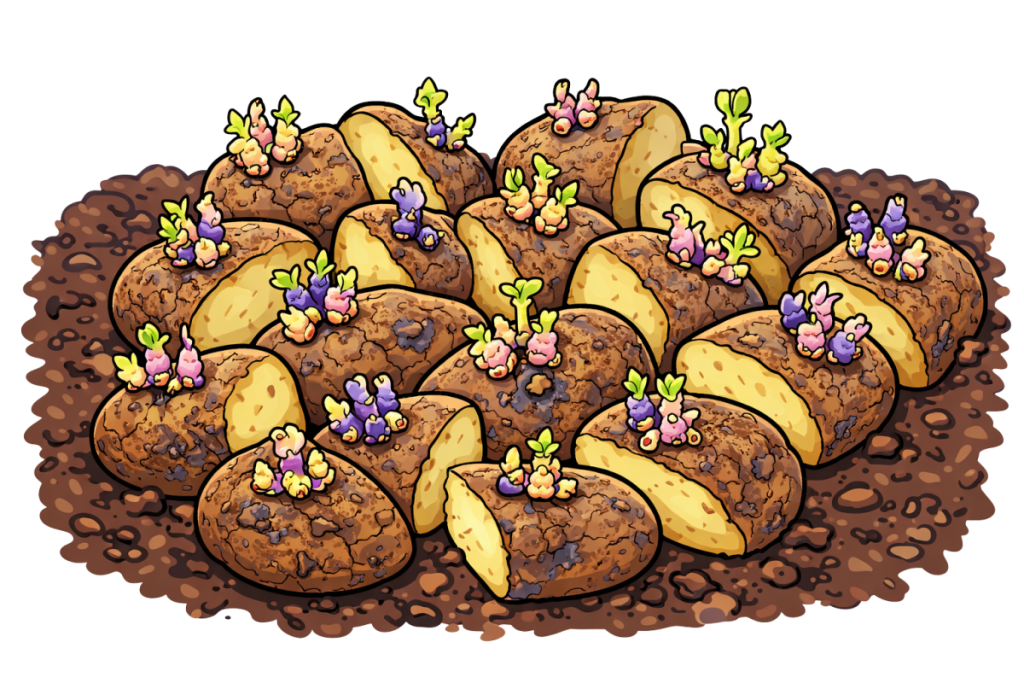
The soil was workable, winter had finally loosened its grip, and the seed potatoes seemed to know it was time. We cut our seed potatoes into proper seed pieces, each with at least one good eye, and let them dry and cure so the cut surfaces could callus over. That small step helps prevent rot once they’re in the ground and makes a big difference in success.
Then we planted them.
All of them.
Seventy-five seed pieces, all at once.
And they grew beautifully.
We had potatoes for days. And days. And days and days and days. We dug and stored and cooked and shared, and it felt like abundance in its purest form. But as the season went on, it became clear we’d learned an important lesson the hard way: harvesting everything at once isn’t always the blessing it sounds like.
Had we staggered those 75 seed pieces instead of planting them all in mid-March, we could have stretched our potato harvest deep into fall and easily through winter storage.
Why Staggering Potato Plantings Matters
Potatoes don’t all need to go into the ground on the same day. While March 17 is a fantastic starting point, it doesn’t have to be the finish line.
Instead of planting all 75 seed pieces at once, they could be divided into five plantings of 15 seed pieces each, spaced throughout late spring and early summer:
• Mid-March (St. Patrick’s Day), the traditional, dependable first planting
• Early April, once soil temperatures are consistently warming
• Late April to early May, ideal for extending harvest
• Late May, still plenty of growing time
• Early to mid-June, setting up a late-season crop
Staggering plantings spreads maturity dates, which means fresh potatoes over a longer window instead of one overwhelming harvest.
When Is the Last Safe Time to Plant Potatoes?
This is where planning really pays off.
Most potatoes need 90 to 120 days to mature, depending on the variety. To ensure the final planting is ready before cold weather arrives, count backward from your area’s average first fall frost.
For the Ozarks, that puts the last reliable potato planting in early to mid-June. Potatoes planted then are typically ready to dig in September or early October, just as nights cool and before frost threatens the vines or tubers.
A good rule of thumb:
• Plant potatoes at least 90 days before your first expected frost
• Harvest after vines naturally yellow and die back
• Cure potatoes in a cool, dark, well-ventilated space before long-term storage
Those late-season potatoes are the ones that carry you through winter meals, if you give them the time they need.
A Little Luck and a Lot of Timing
St. Patrick’s Day may be known for parades and green decorations, but in the garden, it’s about timing, patience, and paying attention to the season. Planting potatoes on March 17 worked beautifully for us, but learning to spread those plantings out would have worked even better.
This year, I’m taking my own advice.
A few seed pieces now. A few later.
And a promise not to put all 75 potatoes in the ground on the same day, no matter how tempting it is.
Sometimes the luck of the Irish looks a lot like good planning.